Review - Akado Armory Qīngkuài dié Sparring Jian
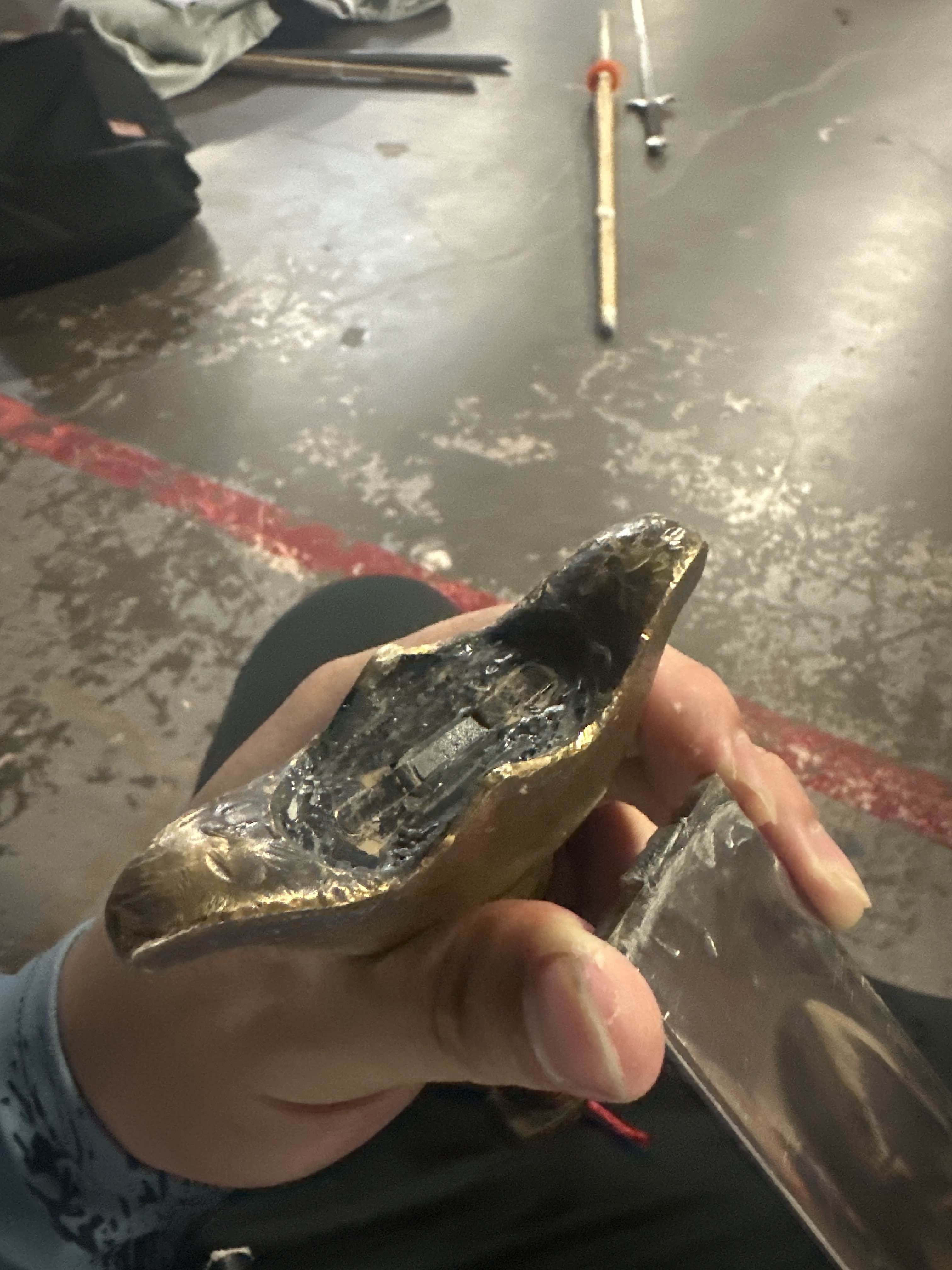
Normally I would start with the review, however, the saga started a couple of weeks before receiving the sword in hand. The review continues below the following email.
Akado Armory Pre-Delivery Email
The Akado sparring jian was released for pre-sale in August 2025, with a very vague estimate on delivery schedules. At 5 months after ordering, the following email was received.
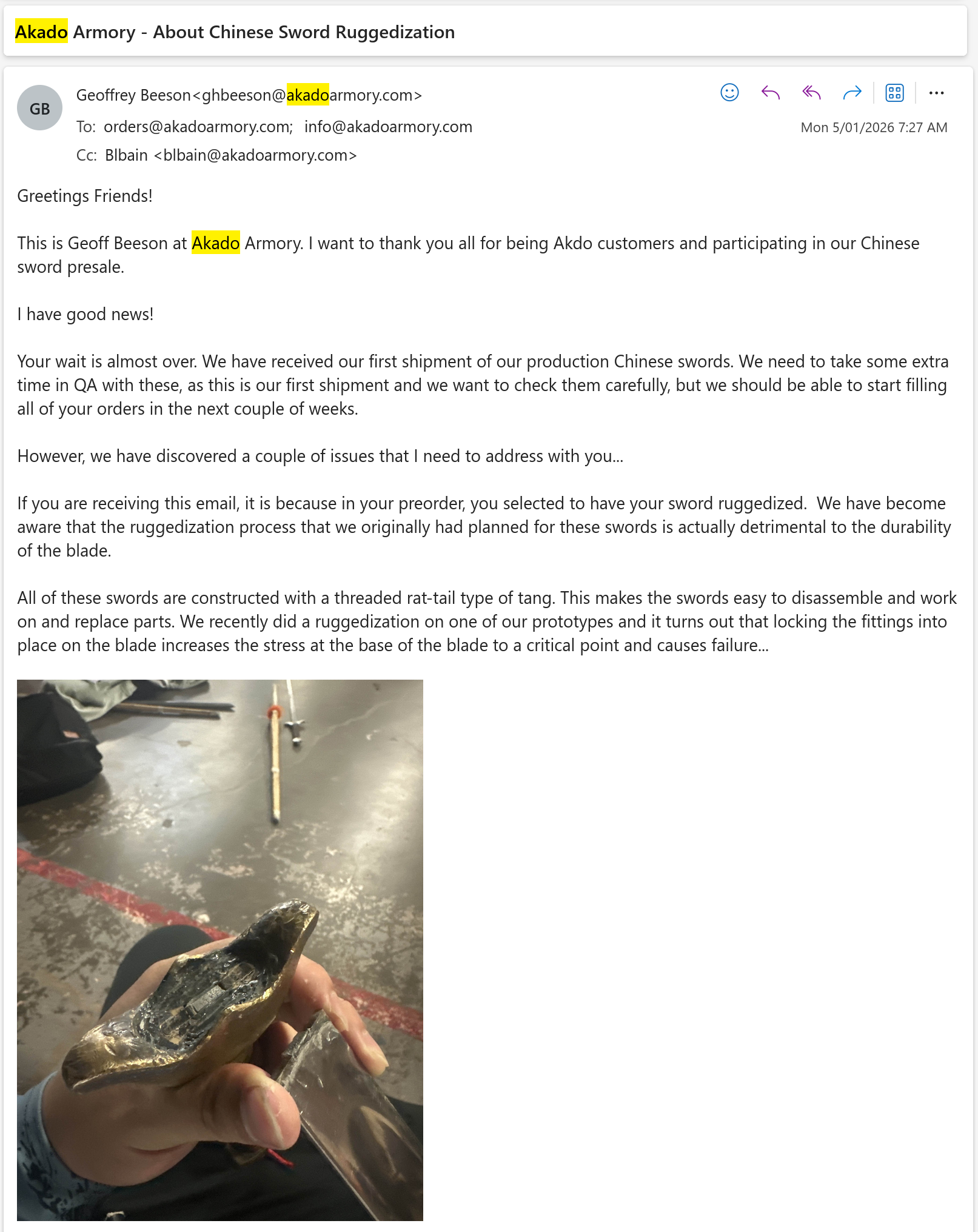
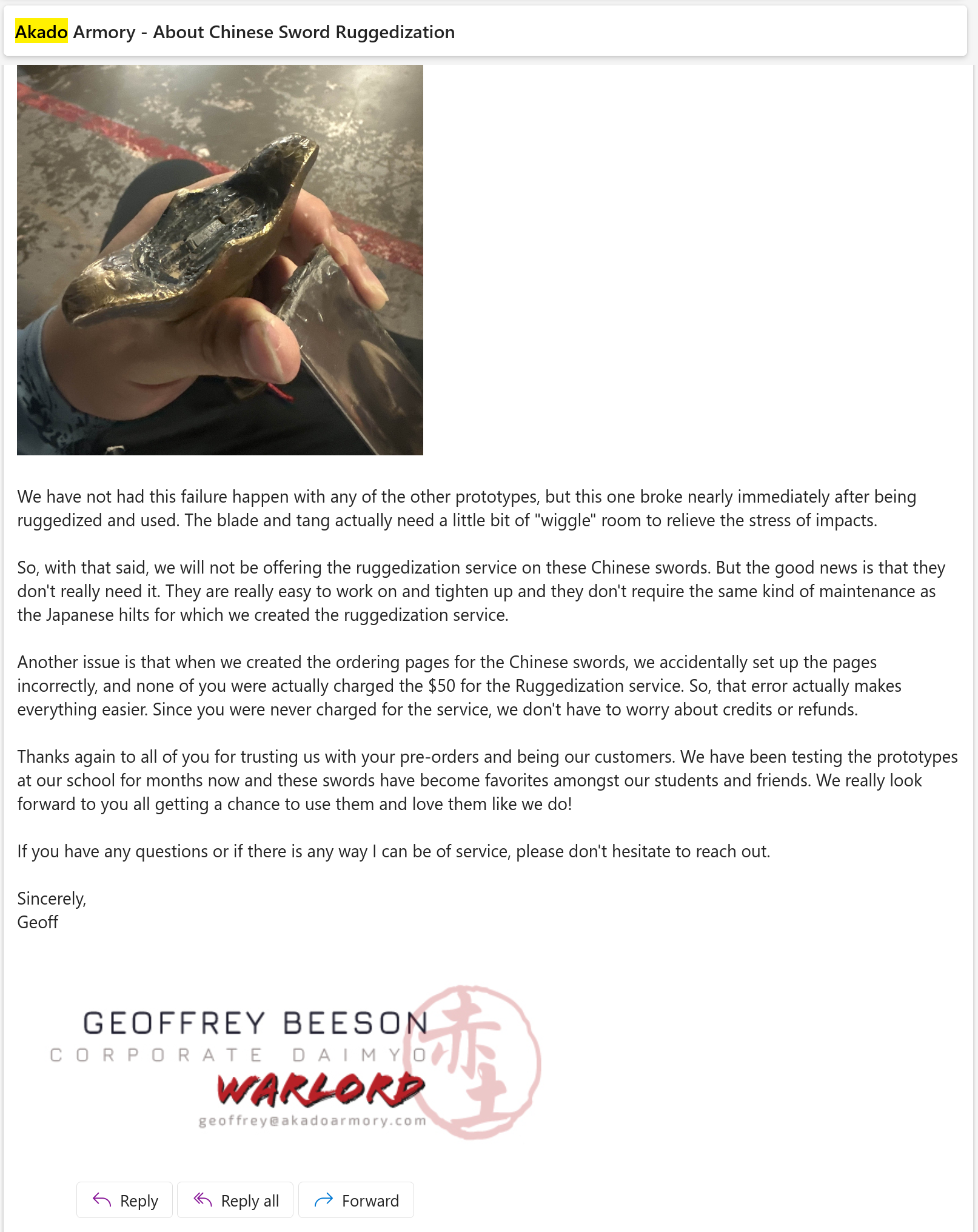
Before we go any further, since this is a safety and design issue, I am not writing this review as only a sword instructor. I am a fully degree qualified and practicing Mechatronic Engineer, and actively work on physical part designs. I write this purely to put into context that these issues should not happen, and basic design flaws like these shouldn’t be released onto the market.
Firstly there’s a number of issues with this:
“All of these swords are constructed with a threaded rat-tail type of tang.”
This was just be a poorly written statement, and only the very end of the tang is threaded, as is relatively normal in modern sword construction. However rat-rail has a very specific (and derogatory) meaning in modern sword circles, and is characteristic of poorly constructed sword-like objects, that should never be used for hitting anything. Because rat-tail tangs break.
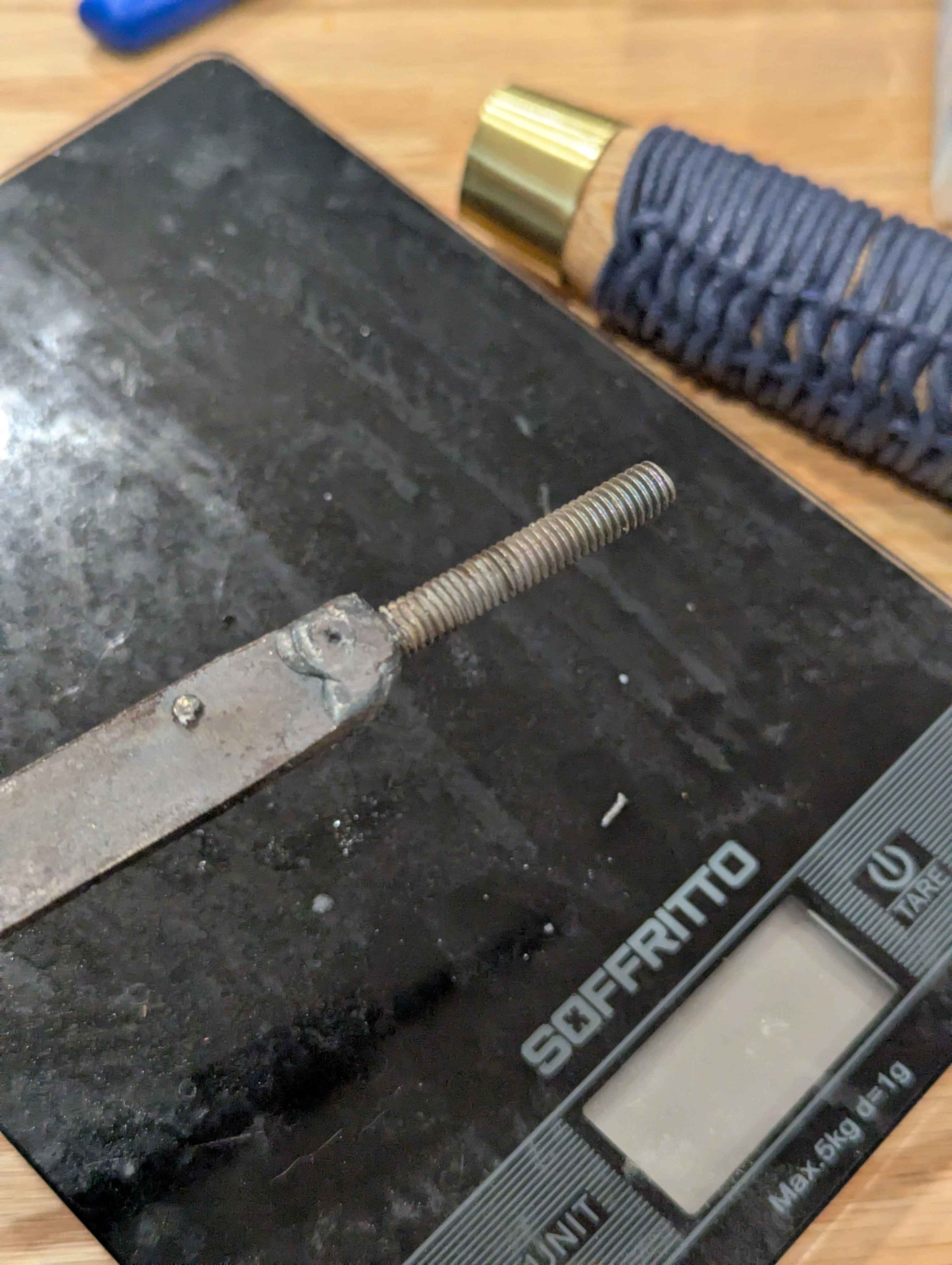
As you can see in the photo, the tang is of decent length down to where the threaded bolt is welded onto it for fastening. As this is behind the hole where the pin is inserted through the grip to hold the sword into place, this isn’t an issue and is perfectly normal. It would be nice for the original email to reflect proper terminology however.
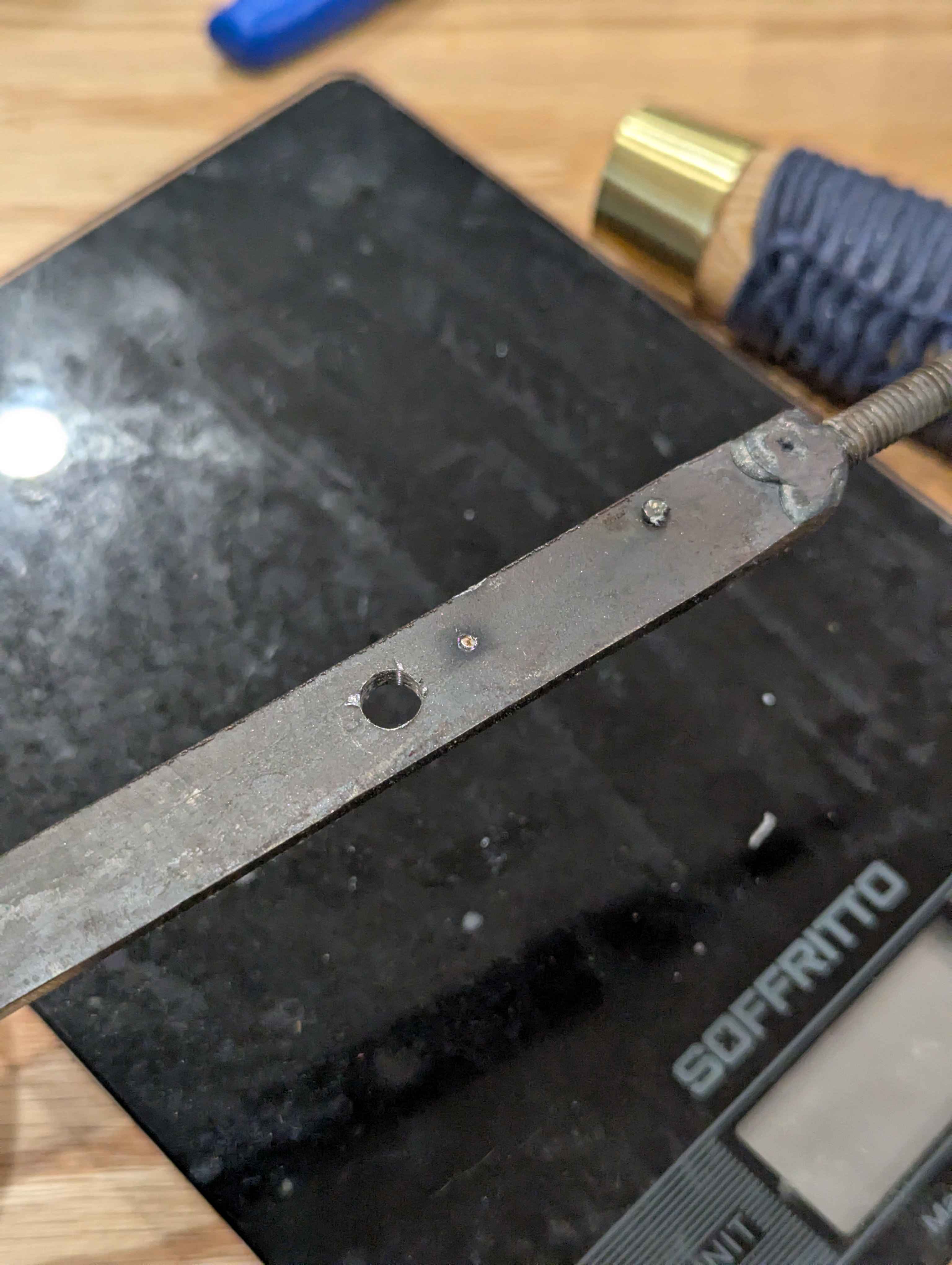
Secondly, but most critically, they are doing nothing to rectify the actual issue. The flaw shown here in the picture is in the lack of stress reduction in where the tang joins the blade. Looking at the picture, there’s a distinct sharp step down from the width of the blade to the tang, without any attempt at reducing the stress concentration. If you’re interested in more details, here’s a guide on identifying and designing parts to avoid Stress Concentration at discontinuities. An issue with the rat-tail would have broken at the join in the tail, or bent further down the tail.
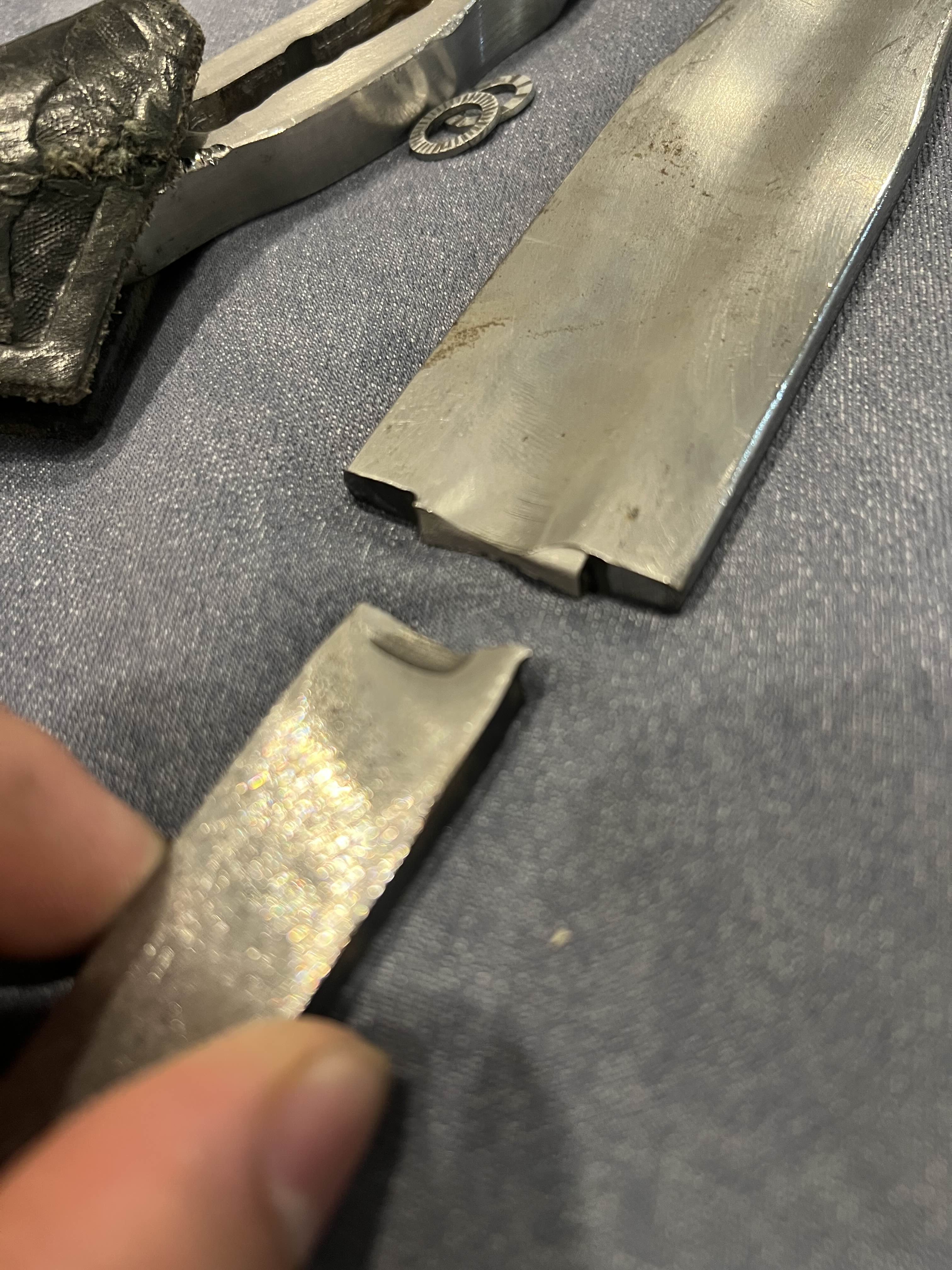
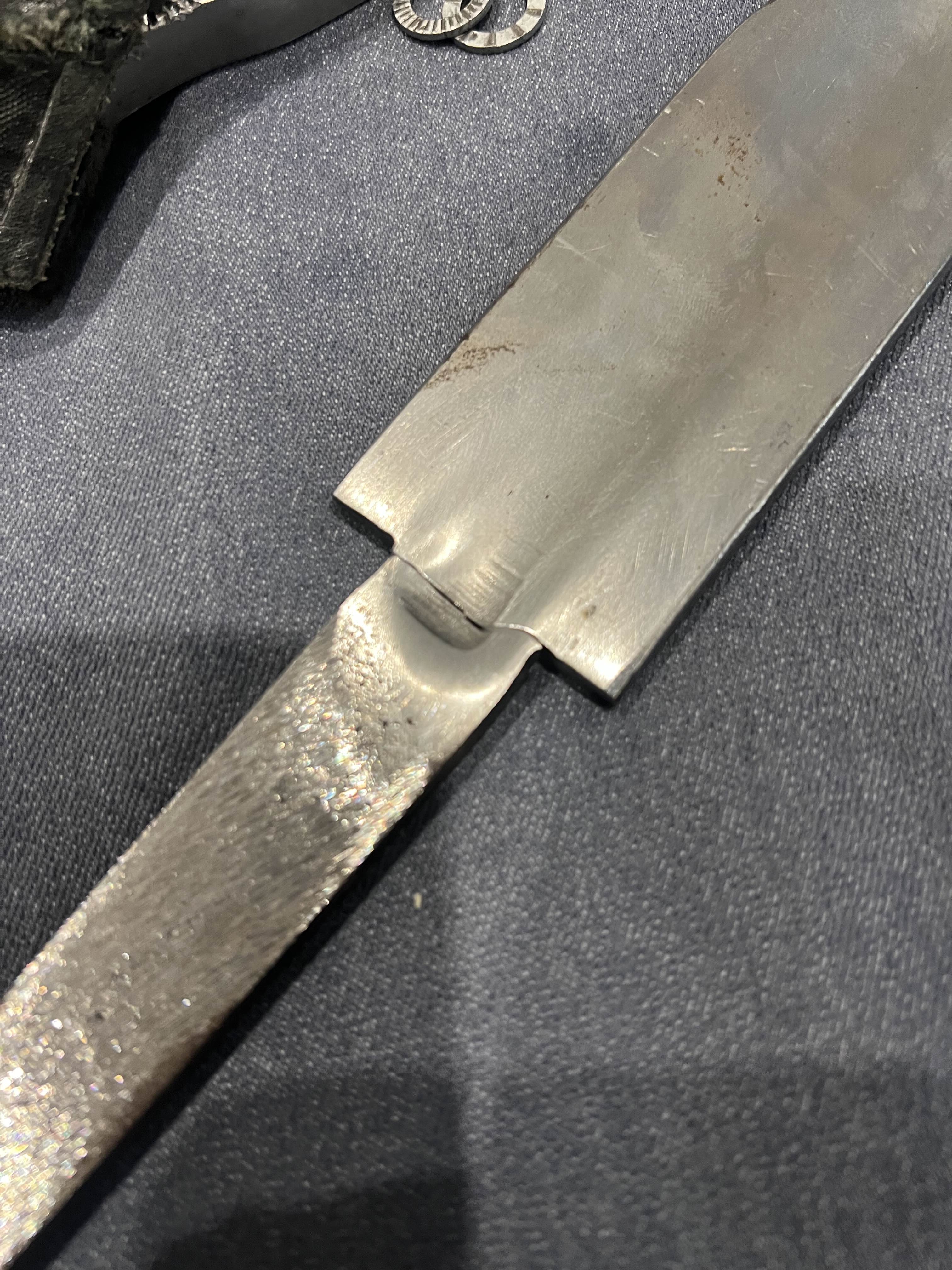
This shows a fundamental lack of understanding of the very basics of sword design. These failures may have been exacerbated by the ruggedization process, but with no attempt to alleviate the actual root cause, the poor design of the sword at the geometric discontinuity, these failures are not a matter of if the swords will fail, but when they will fail. Metal fatigue will eventually cause breaks at the weak point. Admittedly sparring swords are consumable training equipment, but they should be designed to last as long as possible.
Examples of other failed blades at the shoulder stress point:
In comparison, look at the Castile Armory jian, a gold standard in how the shoulders of a blade should be constructed to avoid this issue. It has stress relievers fundamentally built into the blade, with added thickness around the shoulders, to reduce stress and minimise risk of breakage:
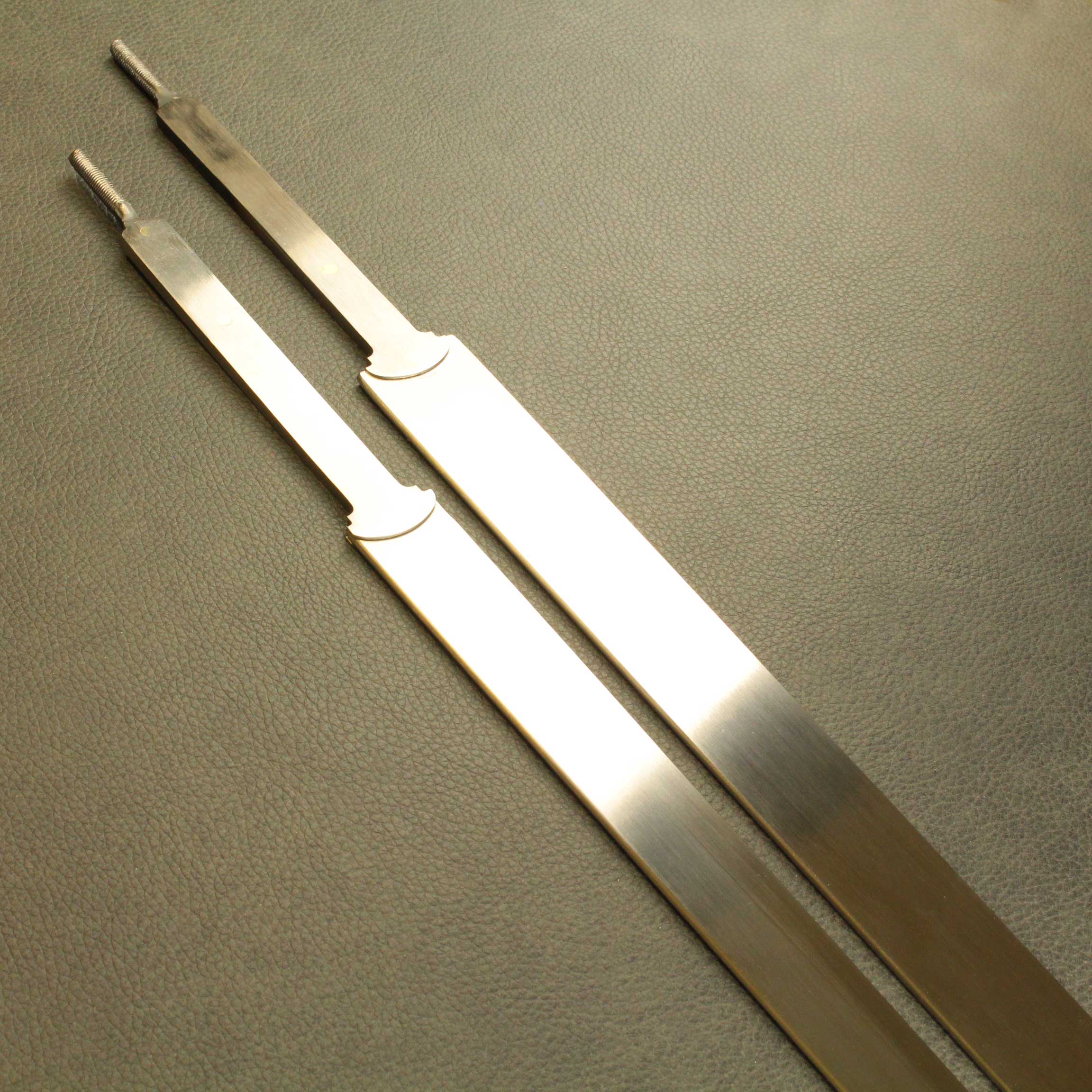
Image sourced from Castile Armory.
Review
I initially paid for this jian, using only the publicly available discount code, and wrote the review. However due to the safety issues found, I have received a full refund, and will be assisting Akado with doing a full destructive test on the blade to see where and how it fails. I will admit that dealing with Akado’s customer service has been smooth and without issue, but I would have preferred to not need to contact them and had been able to give a more positive review.
The Specs
- Overall length: 100cm
- Blade Length: 78cm (From rear of guard)
- PoB: 12cm (From rear of guard)
- Weight: 920g
- Flex weight: 9.85kg
- Tipping: None. Thermoplastic tip supplied. (Tip 20g)
Note: The website appears to measure their specs from the blade side of the guard, which is not the norm with Chinese weapons, since Chinese guards have a wide variety of designs.
Tl;dr This jian is not for serious practitioners, and needs to be redesigned to be safe for sparring.
Rating: 1/5 - Mostly as potential for solo training
When Akado announced their new sparring jian, they held a naming competition for it. After a number of rounds of voting the name Qīngkuài dié (輕快蝶) was decided upon. Meaning Lively Butterfly, it doesn’t follow typical Chinese naming patterns. Unfortunately, it also does not reflect how the sword actually handles. It is neither lively, nor butterfly-esque.
Balance and Handling:
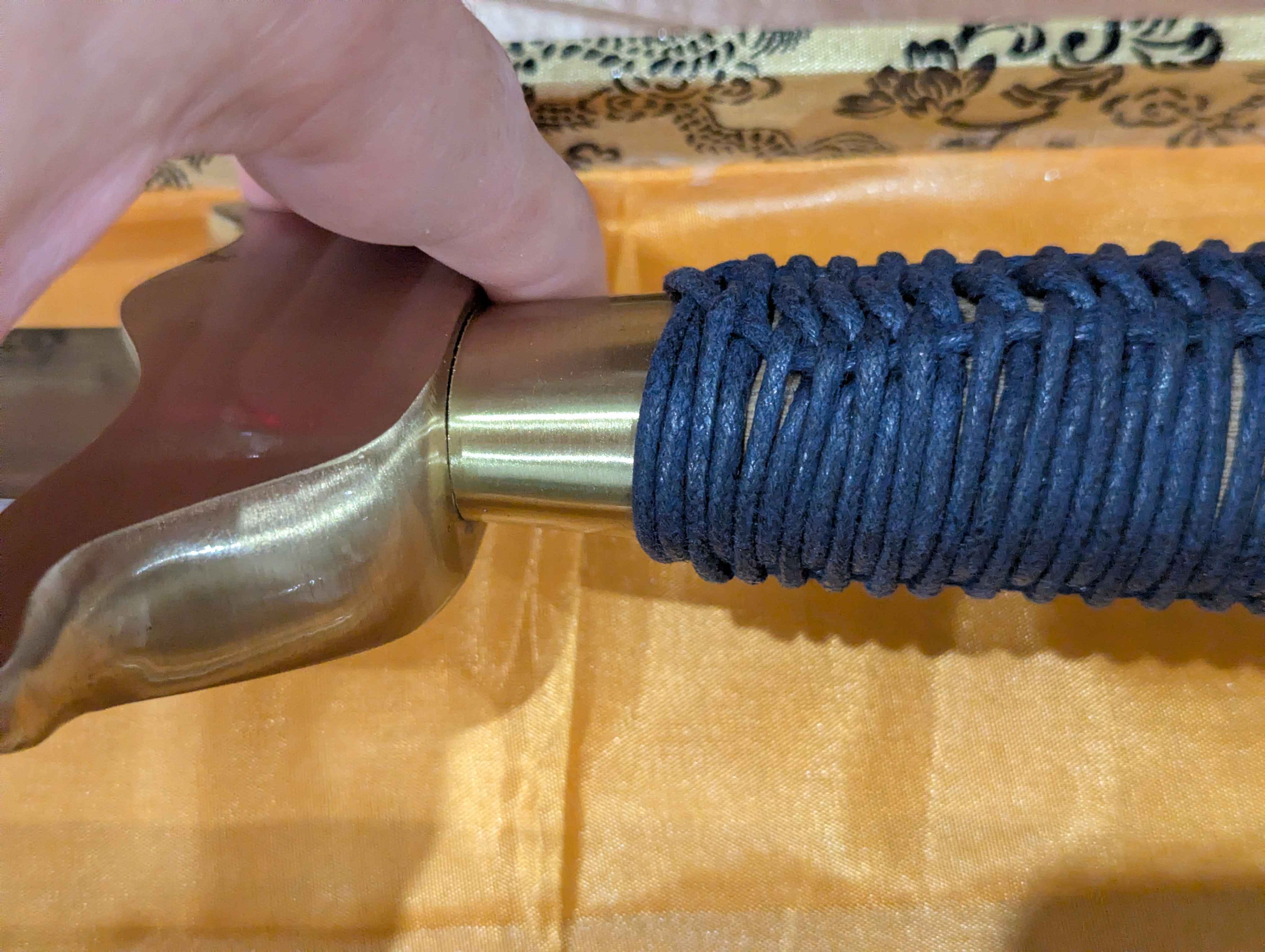
The blade is a substantial 920g with a PoB at 12cm. With a relatively standard blade length of 78cm, the PoB is about right. Most production jian on the market have 75cm blades, so this right about where you would be wanting a sparring jian to be. Initial swings and practice cuts (against air) have it handling a bit on the slower side, but it is within norms compared to antiques. It does feel on the heavier, more cut orientated side of jianfa, but isn’t unpleasant. For taolu training, the people who enjoy this type of blade, it would be quite nice to swing.
However when the sparring safety tip is affixed to the blade, the added weight, a massive 20g, makes the sword handle increadibly poorly. It essentially turns into a heavy rod, not moving or balancing like a jian at all. 20g of weight right at the tip of the sword is a large amount of inertia, and essentially makes this unusable in sparring with the tip on, and unsafe with the tip off.
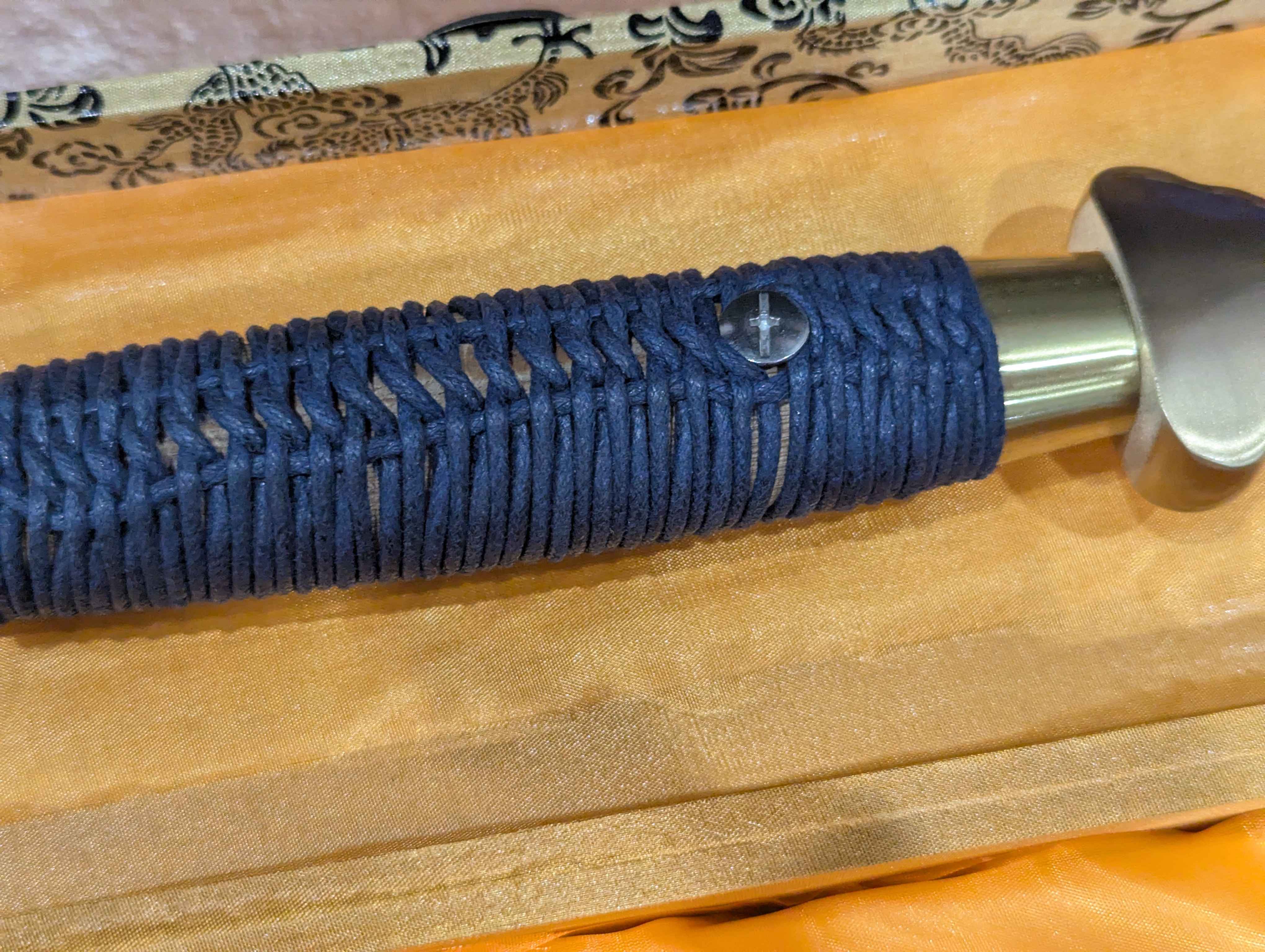
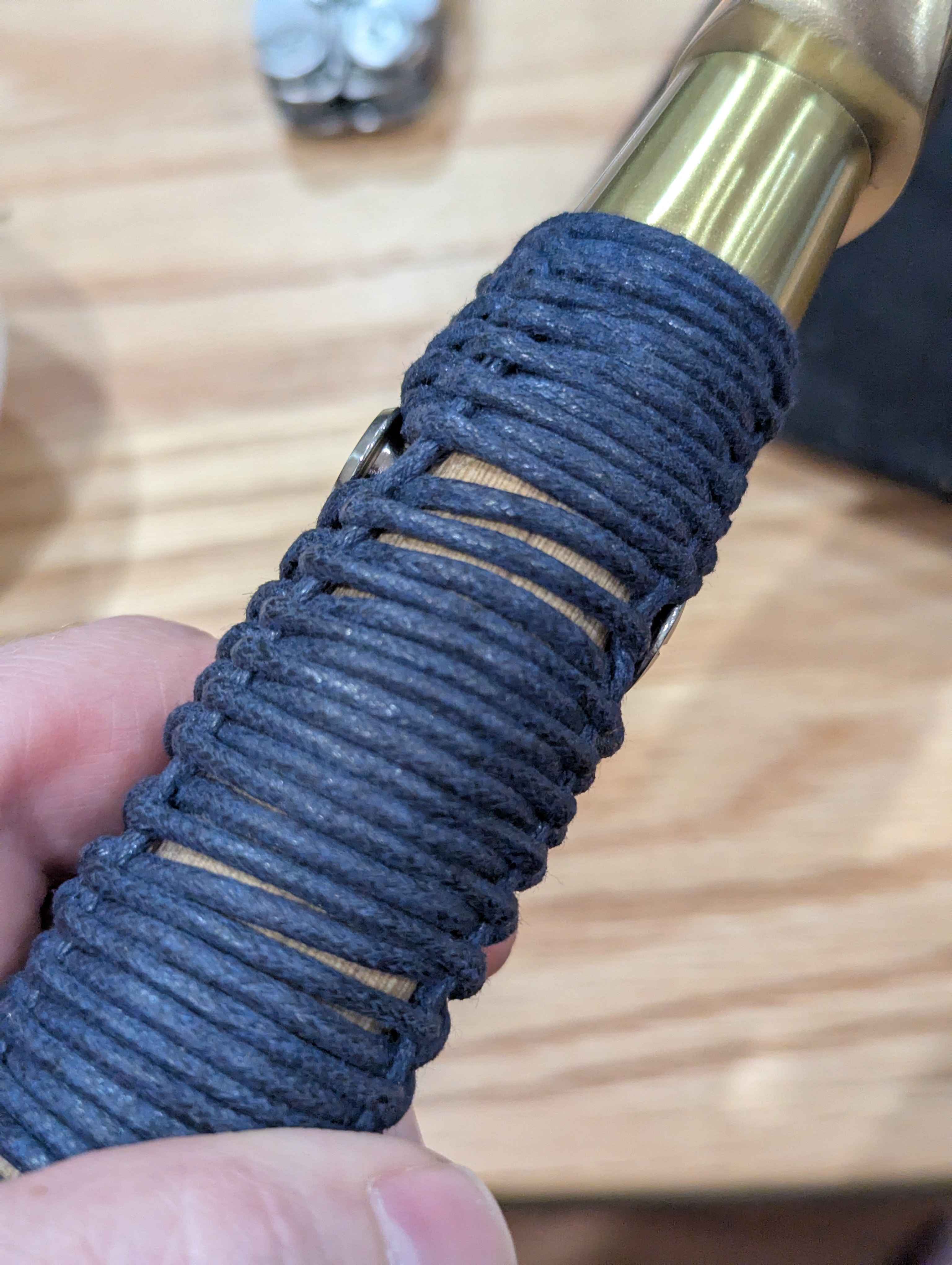
The grip wrap has very thick round string, which fattens the grip substantially. The round string is very poorly wrapped, increadibly badly in fact. It would have been nice if Akado had used a flat cord for the wrap which was far more common, and would have made made the grip thinner. Also, ensuring the grip wrap is straight when it’s first made would have improved first impressions.
Measured at 35x31mm at its widest points, this grip is large. Far too wide for proper jianfa. We see this as a common problem in reproduction jian made by people with no experience with antiques, or proper techniques. Often it comes down to it “feels more comfortable” when initially held. However, this is a symptom of gripping the sword too tightly, in what we term a “dead-grip”. It’s not a case of modern people being larger, and thus having larger hands, it’s a case of holding the sword wrong. A longer grip (to fit modern sparring gloves) is fine, but making it fill the gap in the the hollow of your hand just causes unnecessary fatigue when using the sword. It should be closer to 34x28, or even thinner.
B&H: 2/5
Construction:
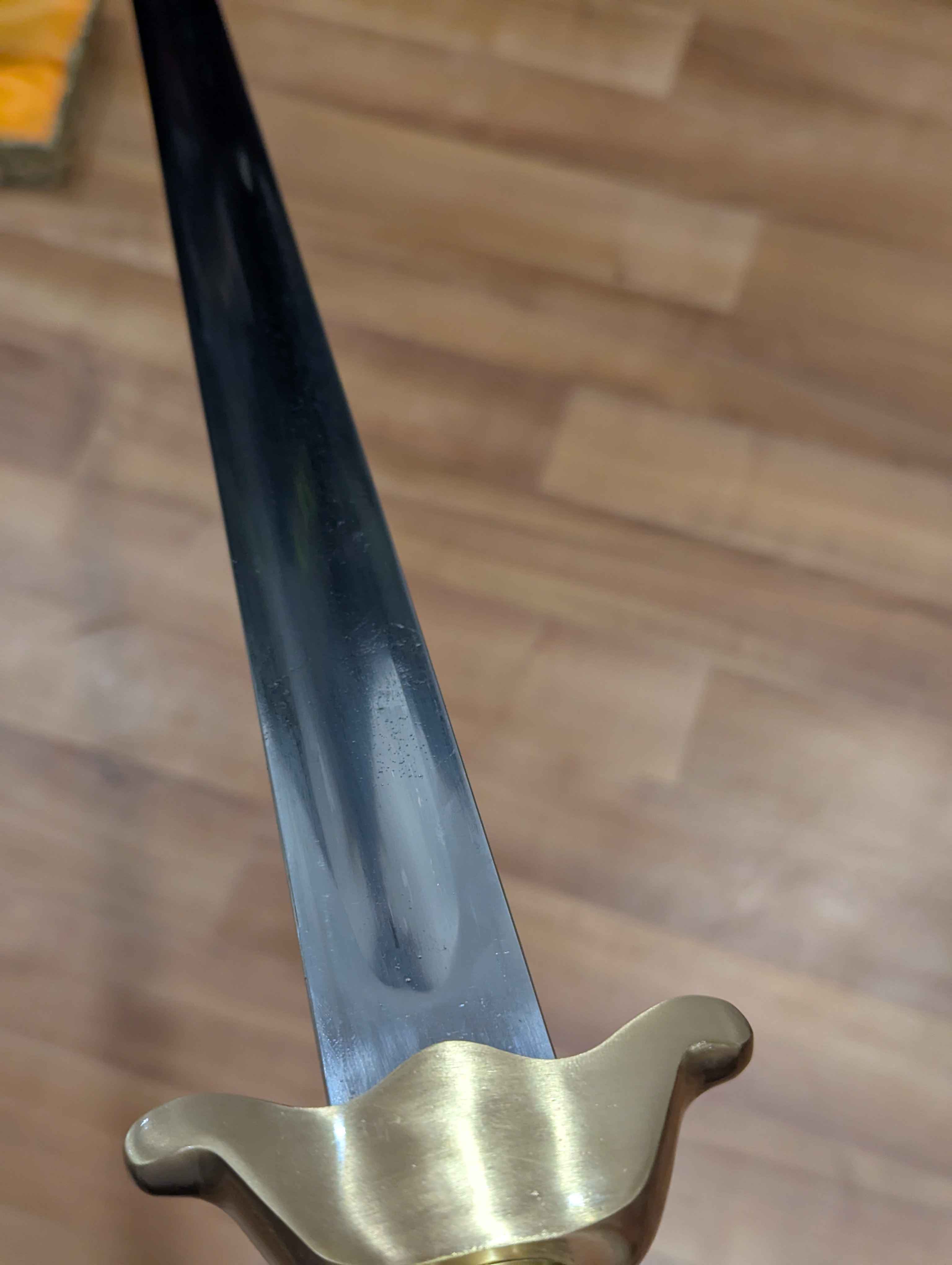
The blade is carbon steel, with no rolled or spatulated tip. It has a flat tapering construction with a fuller the full length of the blade to reduce weight and increase flexibility. It does fall within the blade silhouette of a jian, although like most sparring jian lacks a diamond cross section. The edge is 2.7mm at the narrowest point, and 4.6mm at the guard.
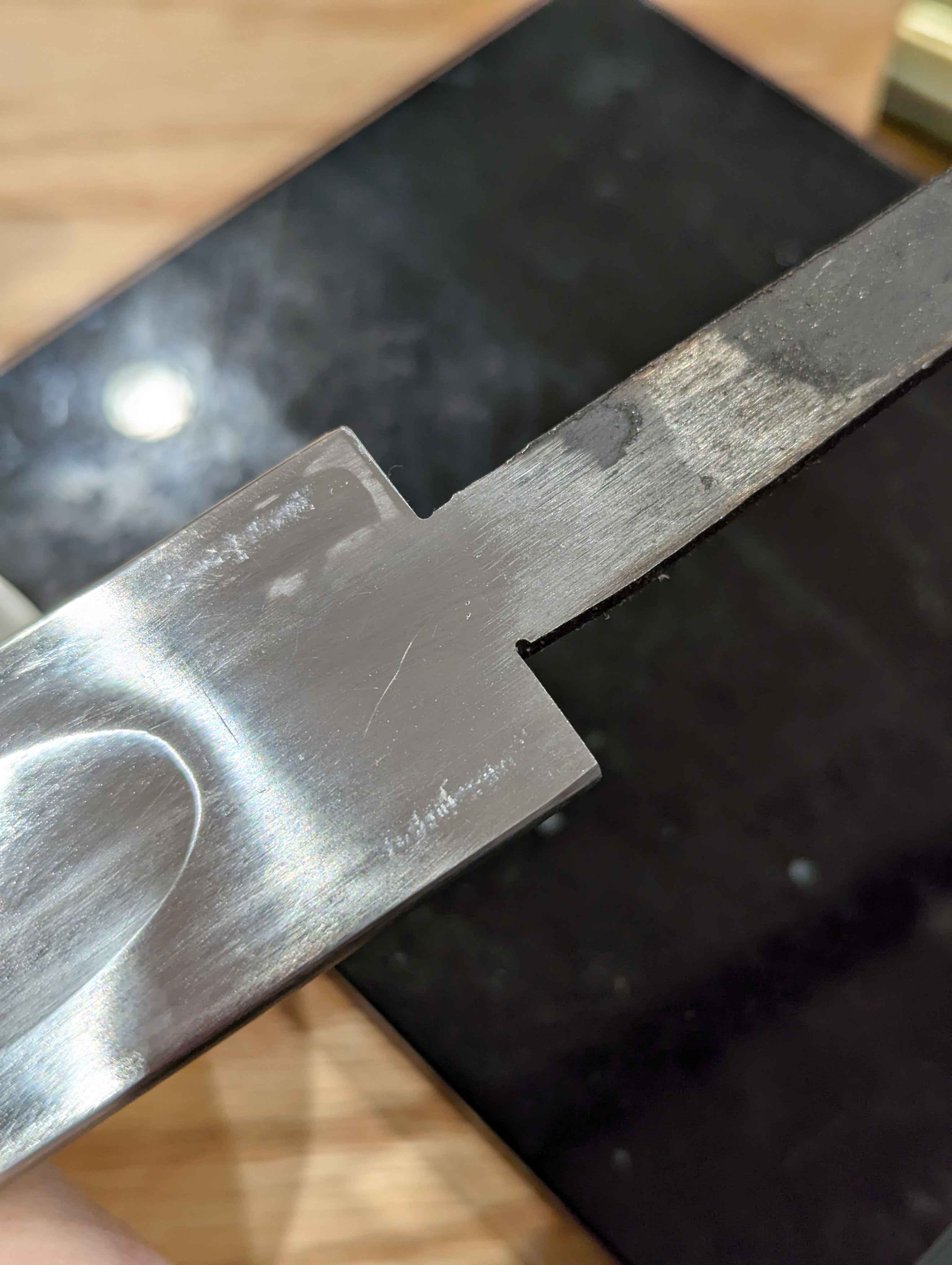
The tang goes directly through to the pommel, and is a solid piece of construction. However has a critical construction flaw, a cut into the tang right at the shoulders. Considering the email about ruggedization that we'd received before they had even started shipping them out, a flaw like this should definitely have been caught in QC. This turns the sword from being poorly designed for sparring, to absolutely dangerous and not to be used.
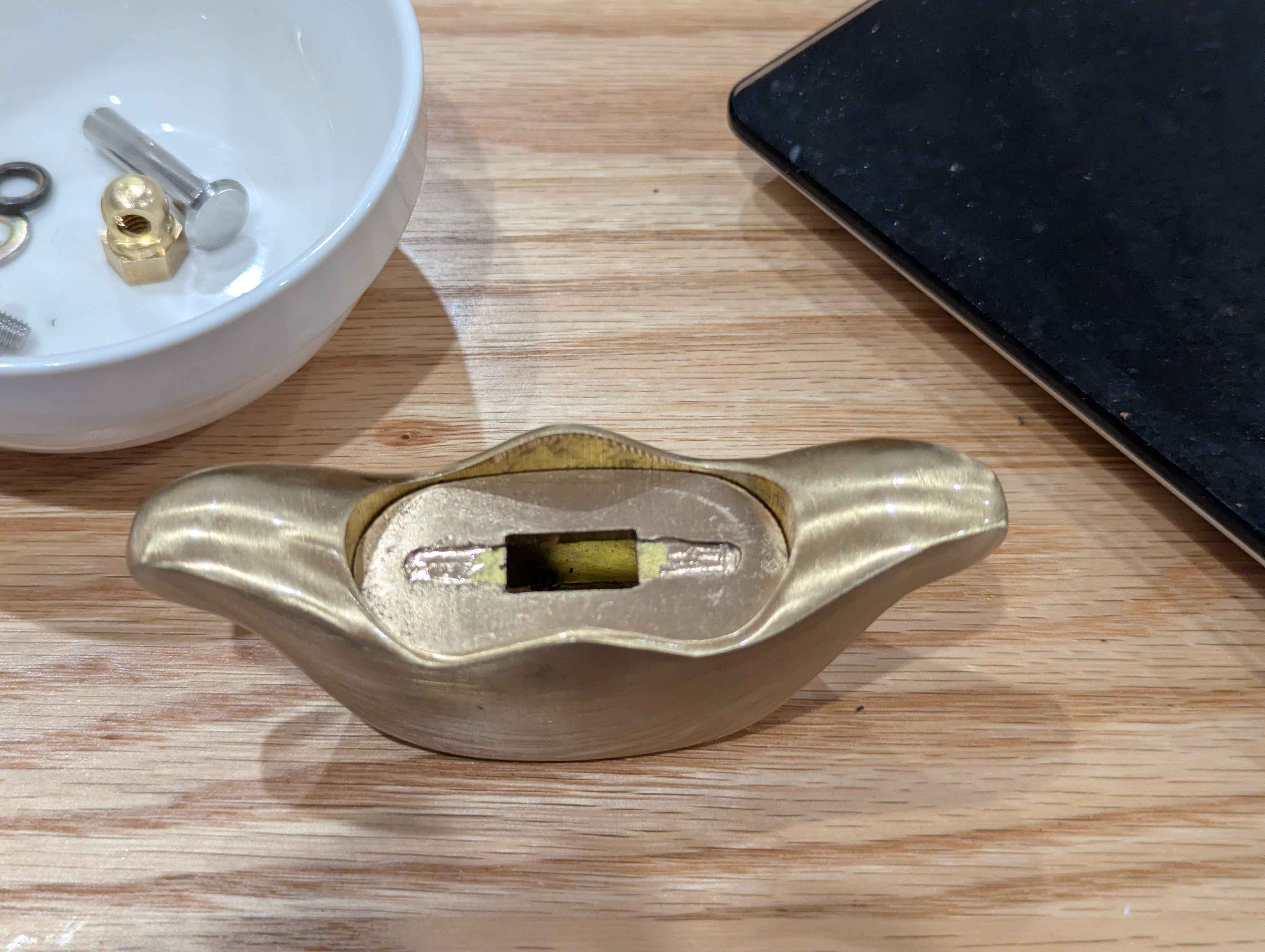
The guard and pommel is made of polished brass, with the ears of the lotus solid brass. It’s highly likely that the guard would withstand significant impacts in sparring due to being solid brass, with rounded edges.
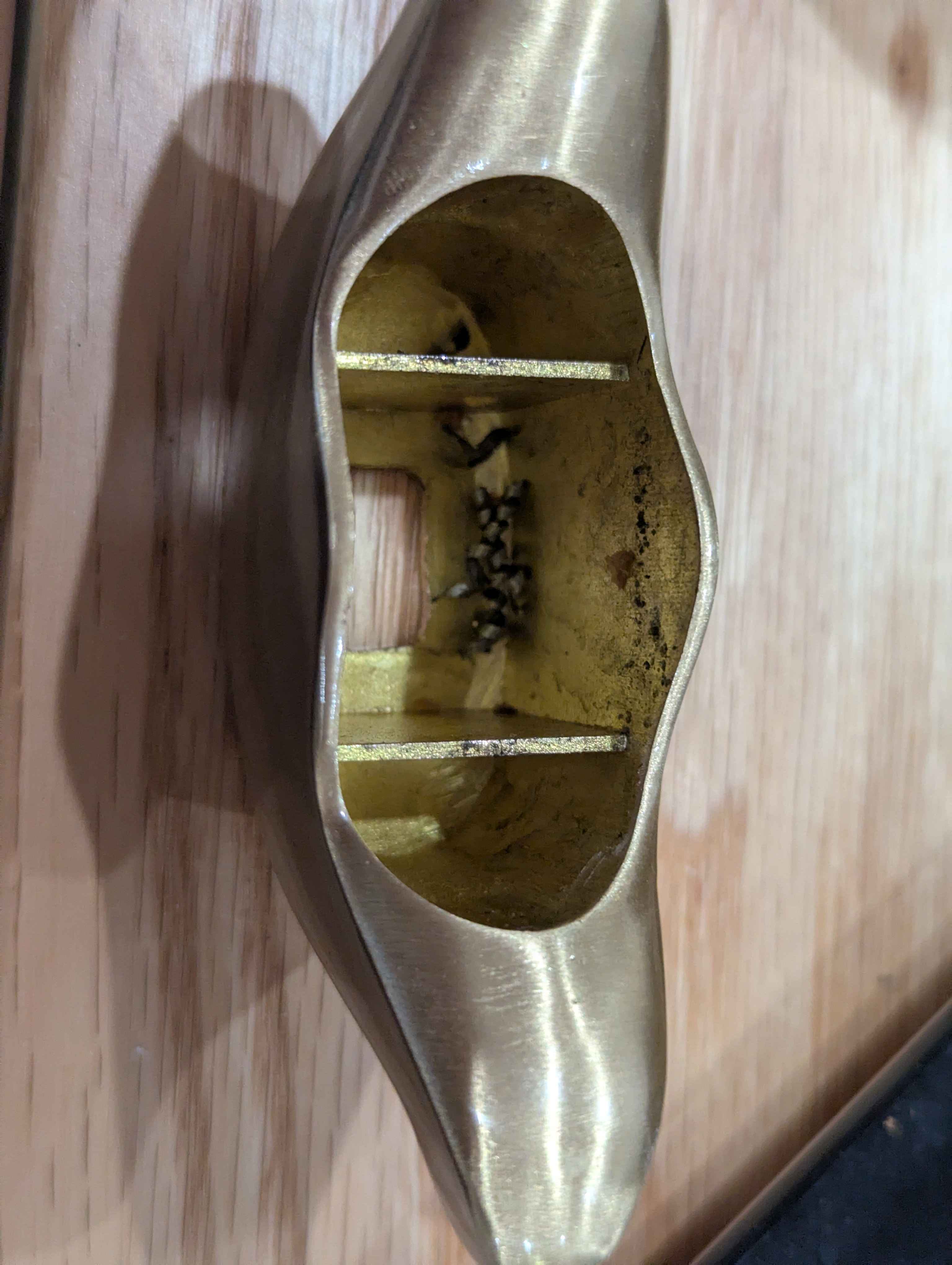
However, for some unknown reason, there was iron shavings inside the guard, with no clear origin. It would have been nice if the fittings were properly inspected before putting the sword together.
Additionally, the ferrules are not attached to the guard or pommel, and are a purely aesthetic choice, which means that it’s very easy to have the handle move around if it loosens, as there’s also a large internal gap between the wood of the handle and the tang. Putting the sword back together, meant that it never actually centered the grip to the blade and had to be manually aligned.
The pommel is affixed to the tang via a threaded nut, and tightened.
Flex, the blade has a decent 9.85kg flex. However, it’s let down by the tip, being rounded, the point of pressure is quite small, which focuses the force. The tip should be squared off, and either rolled or spatulated. Making a sword for sparring in 2025/26 without even this most basic of features is really unacceptable. Even a small 1mm each side spatulation of a flat tip would have massively improved the design. And would allow for leather other standard methods of tipping the blade to be used.
Overall, this construction isn't really viable for a sparring jian, there's a few fundamental but relatively easy things to change that would make this a viable sparring jian, but as it stands, there's a lot wrong with it.
Critically needed changes:
- Rolled or spatulated Tip
- Squared/flattened Tip
- Rounded shoulders to the tang to reduce stress
- Brazed ferrules to center the handle
- Inner handle flush with the tang
- Tang pin flush with the wood of the handle
The scabbard is a unique feature of the Akado jian, which is why it has gotten a lot of attention. The chape is nicely made, and the belt loop is a nice, period style. However, the brass shields on the scabbard are not affixed, so slip around and fall off with very little effort. It’s a shame, at this price point you don’t expect a proper nail, but you would expect them to at least use glue.
Construction: 1/5
Aesthetics:
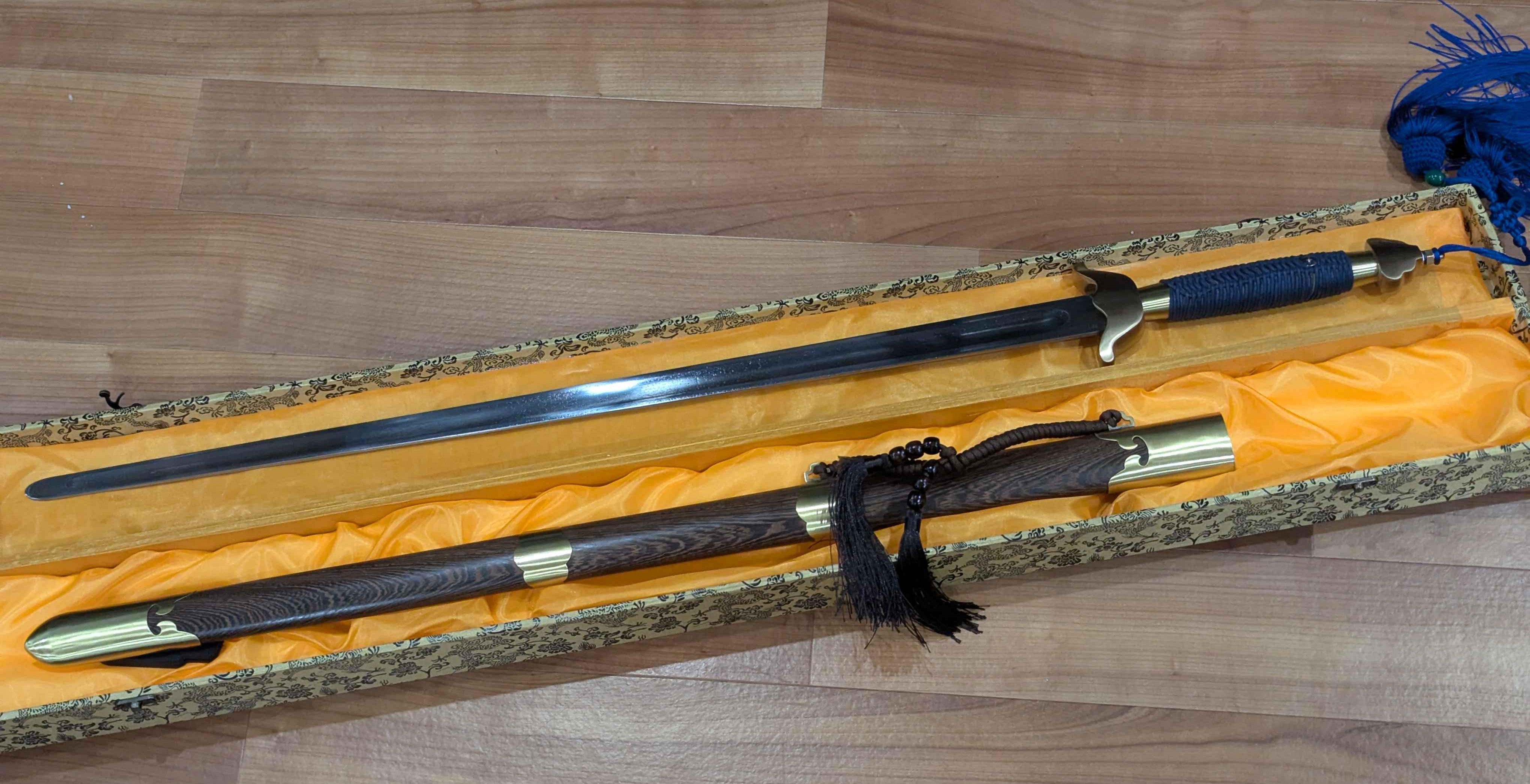
The major draws for the Akado jian among most people who I have spoken with are the aesthetic look. (Brass/Bronze guards are very popular, as well as the lotus design guard), and the included scabbard.
It does look incredible from a distance, but the finish up close is not up to the price point. The grip is poorly wrapped, while the screwed in pin has a very unappealing screw. Further, the pin is 5mm too long for the grip, so there’s no way to make it flush and fix it yourself.
Sparring Performance:
The Akado jian was unfortunately not able to be tested in sparring, due to the safety issues with construction, especially in the shoulder, no sparring was performed with it.
Sparring Rating: N/A. Too dangerous to attempt sparring with
Price:
The Akado Sparring Jian costs $285 USD, plus taxes and shipping. Which for this level of failures, is wildly overpriced. Available from the Akado website at https://www.akadoarmory.com/.
Price: 1/5
Overall Thoughts:
This is a flawed attempt at making a jian, beset with avoidable drama. It clearly focuses on looks and style over substance, is poorly constructed, but also designed in a way that is fundamentally unsafe. With work, it’s possible to redesign it, fixing it in a way that makes it actually usable for jianfa.
A jian that is fundamentally unable to be used for thrusting is a jian that can’t be used for jian sparring. It feels like an attempt at appealing to a market from the outside, without actually consulting with the desired market.
My desired changes for a future V2 sparring jian would be:
- All the safety issues fixed as listed above. Spatulated and flatted tip, proper tang, handle flush with the tang, etc.
- Thinner grip, more in line with antique examples, keeping the lozenge shape.
- Using a flat cord for the wrapping (5mm coreless paracord is readily available and works well, silk or cotton would be a more premium option)
- More refinement on the handling, a lively butterfly this jian is not.
Looking forward, I hope that Akado can take on the criticisms and make corrections to future versions of their jian and provide more options to the market.